
Tools make complex projects feel doable and make small jobs vanish faster than expected. This practical guide cuts through marketing noise and shows which tools matter, why they matter, and how to choose them with confidence. The tone stays precise and a little witty so readers stay awake, and each section gives actionable advice they can use today.
Types Of Tools And Their Uses
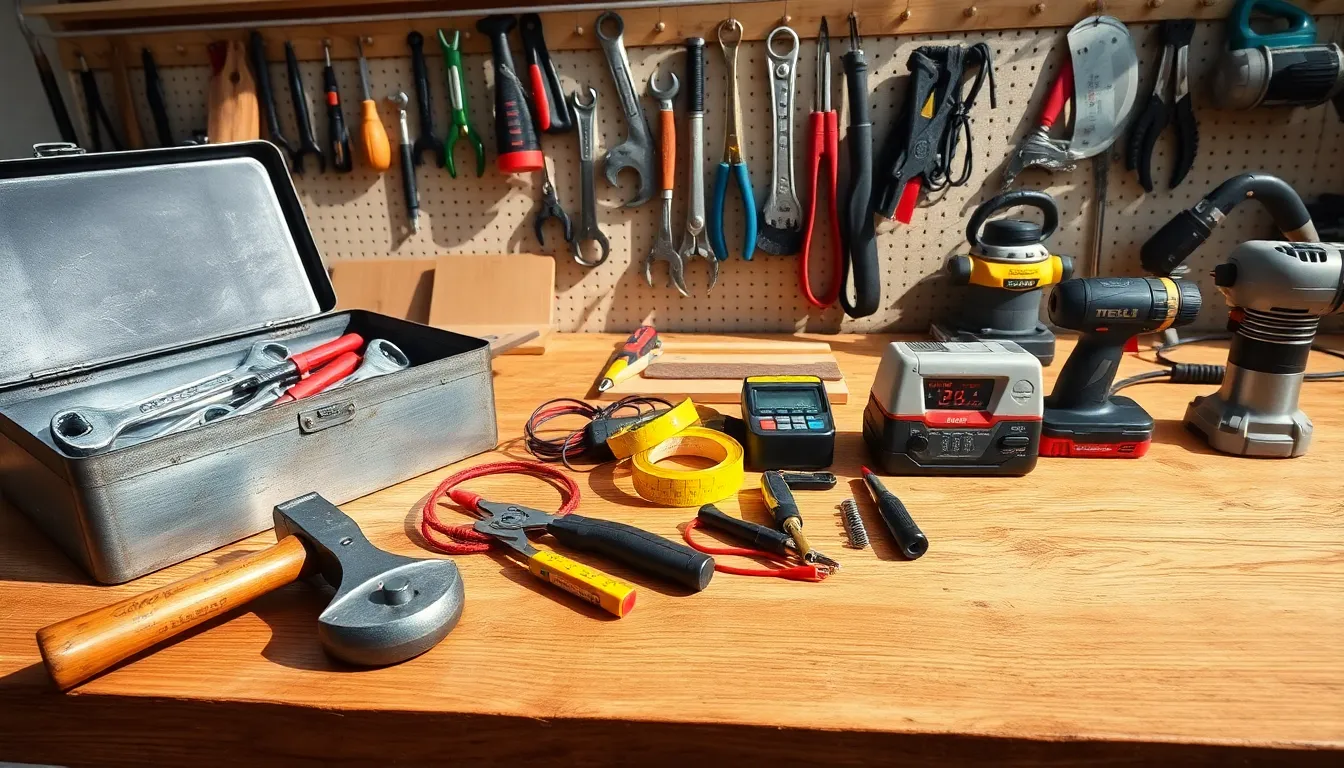
Tools come in many forms and each category solves distinct problems. Understanding those categories helps match the right carry out to the right task, saving time and frustration.
Hand Tools (Wrenches, Screwdrivers, Hammers, Pliers)
Hand tools remain essential because they are reliable, portable, and easy to control. A quality set of wrenches and screwdrivers covers most fastening needs. Hammers deliver force where needed while pliers grip, bend, and cut with precision. Professionals and DIYers alike value hand tools for fine adjustments and tasks where power tools would be overkill.
Power Tools (Drills, Saws, Sanders, Routers)
Power tools speed up work and handle heavier workloads. Drills create holes and drive fasteners in seconds. Saws cut lumber and composite materials accurately when blades are matched to the task. Sanders smooth surfaces and routers shape edges for clean results. When used correctly, power tools drastically reduce labor and raise the quality of finished projects.
Garden And Outdoor Tools (Pruners, Shovels, Lawn Equipment)
Garden tools extend the home toolbox into the yard. Pruners and shears keep plants healthy. Shovels, rakes, and hoes move soil and shape beds. Lawn equipment such as mowers and string trimmers maintain curb appeal and prevent small problems from becoming big ones. Choosing durable outdoor tools prevents frustrating breakdowns during peak seasons.
Measuring, Layout, And Specialty Tools (Levels, Multimeters, Jigs)
Accuracy depends on measuring and layout tools. A reliable level prevents crooked shelves. Multimeters diagnose electrical issues safely. Jigs and templates increase repeatability during fabrication. Precision tools reduce waste and help projects meet expectations the first time.
Digital And Software Tools For Planning And Design
Digital tools streamline planning and reduce surprises. Sketching apps help visualize layouts before any materials are bought. Takeoff tools estimate material quantities and costs. CAD and 3D modeling programs let woodworkers and fabricators test joins and tolerances virtually. Incorporating digital tools early prevents costly rework.
How To Choose The Right Tool For The Job
Choosing the right tool balances project requirements, frequency of use, and personal constraints. A thoughtful selection process pays off in durability, efficiency, and satisfaction.
Assessing Project Needs And Frequency Of Use
First, identify the task and how often it will recur. For occasional jobs a budget tool may suit. For frequent or professional work invest in higher durability. Next, consider task complexity: light fastening needs call for hand tools while demolition and heavy cutting demand power tools. Finally, think about material types. Different materials require different blades bits and settings.
Quality, Brand Reputation, And Warranty Considerations
Quality varies widely across brands and models. Reputable brands typically stand behind their products with better warranties and customer support. Warranty terms and service networks reduce downtime when something fails. A slightly higher initial spend often results in lower cost of ownership over time.
Ergonomics, Size, Power Source, And Compatibility
Ergonomics affect comfort and precision during prolonged use. Size matters for access into tight spaces. The choice between corded and battery powered tools influences runtime and portability. Compatibility with existing batteries or accessories simplifies logistics and saves money. Try tools in person when possible to check balance and grip.
Budgeting: Price Versus Long Term Value
Budgeting should weigh upfront cost against expected lifespan and performance. Cheaper tools might work fine for light one time projects. Higher quality tools earn their keep through fewer replacements and better results. Factor in maintenance needs such as replacement blades batteries and service parts when comparing prices.
Essential Toolkits For Common Projects
A focused toolkit reduces decision fatigue and ensures common jobs can be tackled confidently. The following kits cover the majority of household and hobby projects.
Basic Home Repair Toolkit (What Every Household Needs)
Every home benefits from a compact set of essentials. Include a claw hammer, a set of screwdrivers with multiple tip sizes, adjustable wrench, tape measure, utility knife, pliers, and a cordless drill with a small set of bits. Add a level and a small flashlight. This collection handles hanging pictures assembling furniture and basic plumbing and electrical tasks safely.
Woodworking Starter Kit (Tools For Hobbyists)
A beginner woodworking kit should focus on layout power and finishing. Start with a circular saw or compact table saw, a cordless drill, chisels, a block plane, a good measuring square, clamps, and sanders. Routers and jigs come next once joinery skills develop. Quality blades bits and clamps improve results more than accumulating more tools.
Automotive And Mechanical Basics (Tools For Car Care)
Car maintenance needs sockets and ratchets in both metric and standard sizes. Add a torque wrench for critical fasteners and jack stands for safe under vehicle work. Include pliers a multimeter and screwdrivers. A small selection of specialty sockets and a fluid pump make common maintenance tasks simpler and cleaner.
Gardening And Yardwork Kit (Seasonal Essentials)
Seasonal gardening requires pruning shears, a sturdy shovel, a rake, a garden hoe, and a wheelbarrow or cart for moving soil and debris. Lawn care tools such as a mower, hedge trimmer, and string trimmer round out the set. Seasonal storage and a maintenance routine keep these tools ready when needed.
Tool Safety And Proper Use
Safe tool use protects the user and preserves tools. Understanding risks and applying basic safety measures prevents most injuries and costly mistakes.
Personal Protective Equipment And Safe Practices
Personal protective equipment should be non negotiable. Safety glasses protect eyes from debris. Hearing protection reduces long term damage when power tools are loud. Gloves protect against cuts and burns when appropriate. Training and reading manuals decrease risky behavior and reveal important operating limits.
Safe Operation Of Common Power Tools
Power tools require respect and focus. Secure workpieces with clamps to prevent kickback. Inspect cords and batteries before use to prevent electrical hazards. Keep hands away from blades and cutting paths and use guards and push sticks where provided. Maintain steady footing and do not force tools beyond their intended speed or capacity.
Worksite Setup, Lighting, And Secure Tool Handling
A tidy workspace reduces trip hazards and misplaced fasteners. Good lighting reveals cut lines and electrical markings. Secure tools on sturdy benches and use storage to keep sharp items out of the way. Transport tools in cases or organizers to prevent damage and accidental starts.
Maintenance, Care, And Storage
Routine maintenance preserves performance and extends tool life. Small habits keep tools ready and save replacement costs.
Cleaning, Lubrication, And Rust Prevention
Cleaning removes residues that cause wear. Wiping tools after use prevents corrosion. Apply light lubricants to moving parts to retain smooth action. For outdoor tools rinse off soil and dry fully before storage to prevent rust. Simple rust prevention treatments extend the useful life of steel tools.
Sharpening, Calibration, And Regular Inspections
Sharpen blades and bits regularly because sharp tools are safer and more effective. Calibrate measuring devices periodically to ensure accuracy. Inspect handles fasteners and power cords for wear and replace worn items before a failure causes bigger damage.
Organizing Storage: Cabinets, Pegboards, And Mobile Solutions
Organized storage saves time and reduces loss. Pegboards keep frequently used tools visible and accessible. Locking cabinets secure valuable or hazardous items. Mobile carts let technicians bring a complete set to the work area without repeated trips.
Buying, Renting, And Upgrading: Smart Decisions
Decisions about buying renting or upgrading affect budgets and project timelines. A pragmatic approach maximizes utility while minimizing waste.
When To Rent Versus Buy High-Cost Or Infrequent Tools
Rent specialized high cost tools when frequency of use is low. Renting avoids storage hassles and large upfront investment. Buy when the tool will be used repeatedly or when regular access speeds up workflow and lowers per job cost.
Where To Buy: Local Stores, Specialty Shops, And Online Marketplaces
Local hardware stores offer hands on trials and immediate pickup. Specialty shops provide expert advice and curated selections. Online marketplaces deliver convenience and broad selection. Combine sources by testing locally then comparing prices and reviews online before making the final purchase.
When To Repair, Refurbish, Or Invest In An Upgrade
Repair when a part replacement restores reliable performance at a reasonable cost. Refurbish classic or sentimental tools if the cost is justified. Upgrade when new features significantly improve safety efficiency or compatibility with existing systems. Track total cost of ownership to make rational decisions rather than emotional ones.
Conclusion
Tools are investments in capability. Choosing the right tool mixes clear assessment of needs, sensible budgeting, and respect for safety and maintenance. The best toolkit is the one that gets the job done reliably and consistently. With this guide readers can build a collection that matches their projects and grows with their skills.